Unlocking the Full Prospective of the AI Agents Marketplace: What You Need to Know
The AI agents marketplace provides substantial chances for businesses intending to enhance efficiency and automation. Guiding with this landscape needs a calculated technique. Firms have to analyze their particular needs and identify ideal AI remedies. As companies begin this journey, they encounter important decisions that can shape their future. What elements should they focus on to guarantee effective assimilation and optimize advantages? Recognizing these aspects is necessary for making notified choices.
Understanding the AI Agents Marketplace Landscape
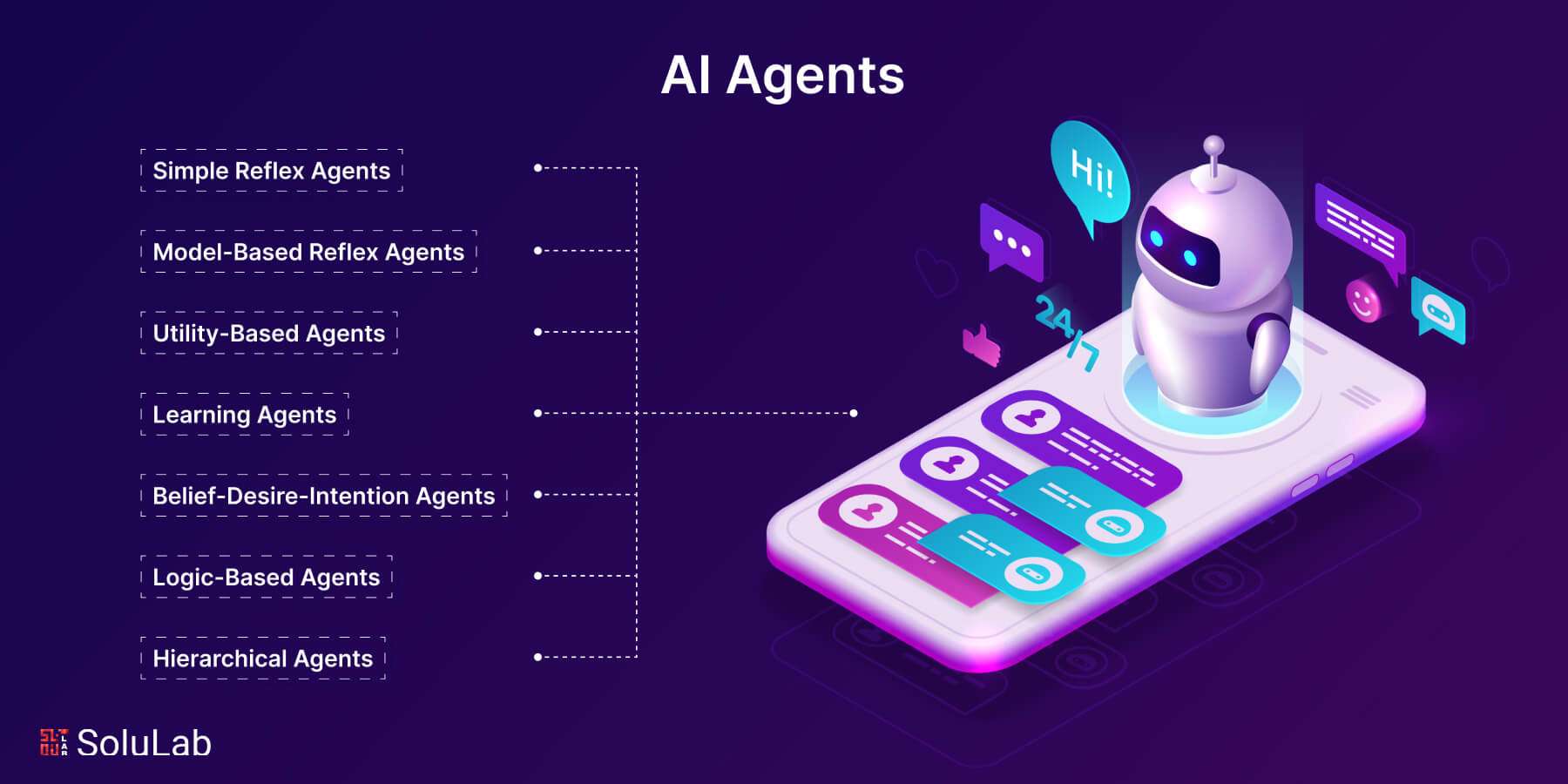
As the demand for AI options remains to expand, the landscape of the AI agents marketplace has evolved into a dynamic ecological community. This marketplace encompasses a diverse array of products and services made to boost automation and efficiency across various markets. Key gamers consist of developed tech firms, startups, and open-source areas, each adding special innovations and functionalities.
The affordable nature of this atmosphere cultivates quick innovations, resulting in a selection of AI agents customized to details jobs, from customer support chatbots to intricate decision-making systems. As services progressively recognize the worth of AI, they seek solutions that offer scalability and combination with existing modern technologies.
Regulatory factors to consider and honest implications even more shape the marketplace, compelling developers to focus on transparency and accountability. In general, the AI agents marketplace proceeds to expand, driven by technical advancement and a growing understanding of the transformative capacity of artificial knowledge.
Secret Applications of AI Agents Across Industries
AI agents are changing numerous sectors by automating tasks that improve functional efficiency and decision-making. In the health care market, AI agents help in diagnostics and individual management, improving processes and boosting end results. In financing, they examine market fads and facilitate trading, allowing quicker and extra enlightened investment choices. Retail industries use AI agents for supply monitoring and individualized customer experiences, optimizing sales methods and supply turn over.
Production also benefits, with AI agents monitoring devices and anticipating maintenance needs to reduce downtime. In advertising, they examine consumer actions and automate targeted campaigns, raising engagement and conversion rates. AI agents play a vital duty in logistics, enhancing supply chains and lowering prices via smart routing and demand forecasting. As organizations throughout these fields adopt AI agents, they disclose new degrees of productivity and advancement, placing themselves for future growth and competitive benefit.
Recognizing the Right AI Agents for Your Company Needs
How can companies identify which AI agents straighten ideal with their specific demands? To make enlightened choices, companies ought to begin by evaluating their operational purposes and determining the details challenges they deal with. This includes defining the key features that AI agents will support, such as client service, information evaluation, or process automation.
When the requirements are clear, companies can discover the marketplace for AI agents customized to those features. They need to think about aspects such as the agent's capabilities, assimilation simplicity with existing systems, and versatility to various operations. In addition, assessing study or testimonies from similar industries can give insights right into successful implementations.
Consulting with technological specialists or carrying out pilot examinations can additionally refine options, making certain that the selected AI agents not just meet instant operational demands but additionally align with lasting calculated objectives. This organized approach improves the probability of selecting the most effective AI solutions.
Examining AI Agents: Metrics and Performance Indicators
Assessing the performance of AI agents needs a clear set of metrics and efficiency indications customized to the details goals of the organization (AI Agents Marketplace). Secret metrics usually include accuracy, which measures the representative's ability to give proper results, and action time, showing the speed at which the agent processes demands. In addition, user contentment ratings offer understandings into just how well the representative fulfills customer expectations
Interaction metrics, such as regularity of usage and retention rates, can show the agent's effectiveness in keeping customer interest. Cost-effectiveness is one more important performance indication, determining whether the advantages gained from the AI agent warrant its operational expenses.
Lastly, adaptability and understanding see post rates are considerable, as they measure the agent's capacity to improve gradually. With each other, these metrics supply an extensive framework for reviewing AI agents, enabling companies to make enlightened choices regarding their integration and optimization.

Finest Practices for Incorporating AI Agents Into Your Operations
Effective integration of AI agents into operations requires a calculated technique that lines up with the company's goals. First, companies must evaluate their certain demands and identify the locations where AI can include one of the most value. This needs a complete analysis of existing operations and processes to pinpoint ineffectiveness.
Next, it is crucial to pick the best AI agents customized to these demands, ensuring compatibility with present systems. Educating employees to work together with AI agents boosts approval and cultivates a joint atmosphere.
Additionally, companies need to establish clear interaction channels to facilitate feedback and adjustments, ensuring continual renovation of AI capabilities.
Checking performance metrics post-implementation enables for continuous evaluation, helping organizations adapt and maximize their AI methods over time. By complying with these finest methods, services can effectively utilize AI agents to boost efficiency and accomplish their critical goals.
Browsing Ethical Factors To Consider in AI Fostering
What ethical dilemmas occur when organizations embrace AI modern technologies? The execution of AI agents presents various difficulties, especially regarding responsibility, transparency, and fairness. Organizations needs to grapple with guaranteeing that their AI systems do not continue predispositions, as formulas trained on historic data can reinforce existing inequalities. Furthermore, the opacity of some AI decision-making procedures can lead to an absence of accountability, making it tough to identify obligation in case of errors or adverse outcomes.
Personal privacy issues additionally emerge, as AI systems commonly require substantial data collection, raising inquiries about consent and data protection. Additionally, the prospective displacement of jobs as a result of automation introduces ethical factors to consider surrounding labor force influence and economic inequality. Organizations should browse these intricacies meticulously, promoting an ethical structure that focuses on civils rights and social welfare while maximizing the advantages of AI innovations. By addressing these moral considerations, organizations can ensure liable AI fostering.
Future Trends: What to Anticipate in the AI Agents Marketplace
The AI agents marketplace is poised for significant evolution, marked by enhanced automation abilities that simplify tasks across numerous markets. Together with this, enhanced customization functions are expected to customize user experiences a lot more properly, dealing with private choices and requirements. These patterns recommend a future where AI agents come to be crucial tools for both services and consumers.
Increased Automation Abilities
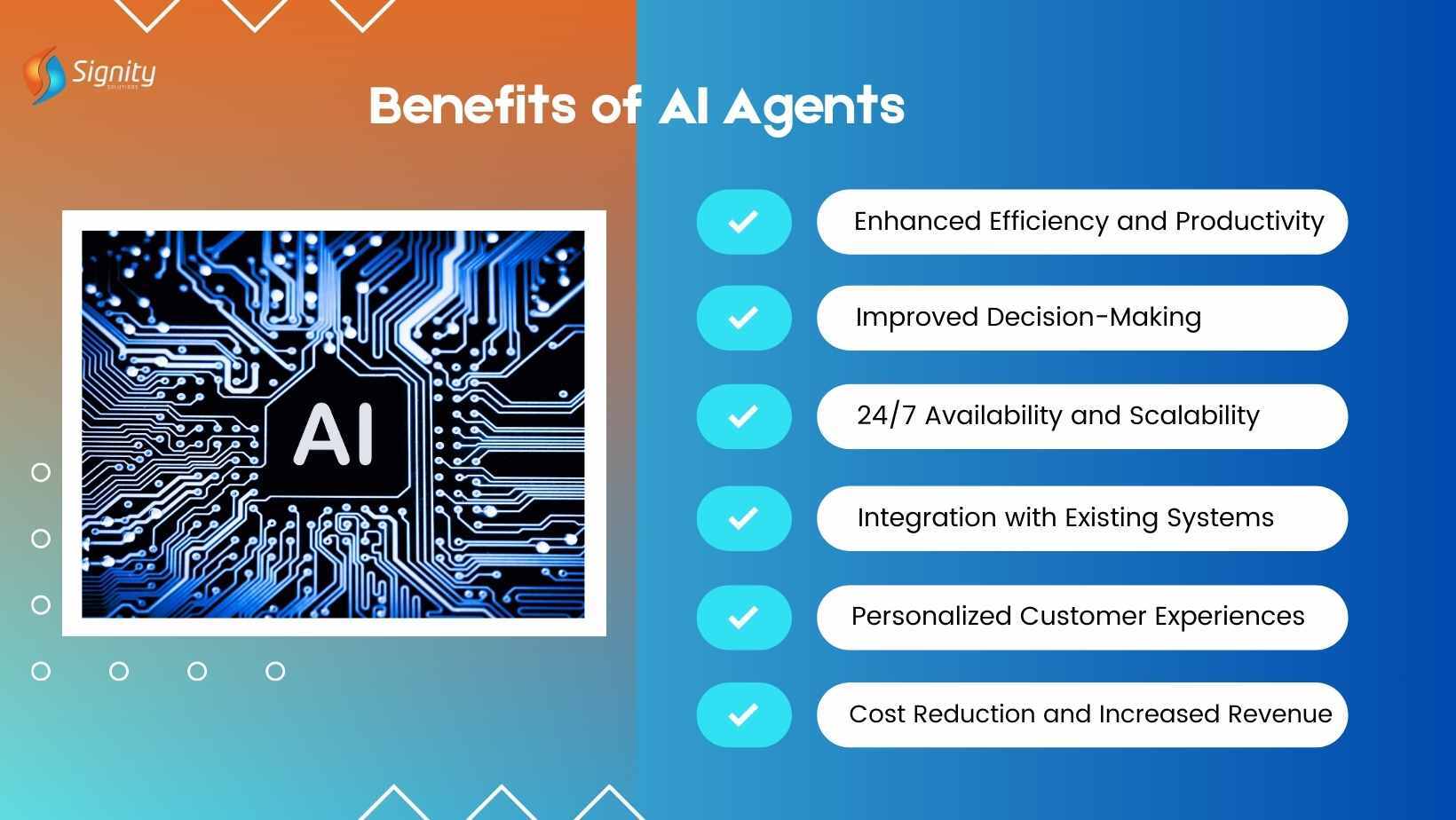
Emerging trends in the AI agents marketplace signal a substantial jump in automation abilities, improving industries and operations. As AI agents end up being extra advanced, they are increasingly able to handle complex jobs with marginal human intervention. This development enables companies to streamline procedures, reduce prices, and improve performance. For circumstances, sectors such as logistics and manufacturing are leveraging AI agents to automate supply management and predictive upkeep, leading to optimized performance. In addition, the integration of device knowing formulas encourages these agents to pick up from previous data, boosting their efficiency over time. As automation ends up being extra common, organizations can anticipate transformative changes in just how they run, leading the way for innovative remedies and wikipedia reference new competitive advantages in the marketplace.
Boosted Customization Attributes
How will boosted customization features improve individual experiences in the AI agents marketplace? These advancements are set to transform how customers engage with AI agents, customizing services to private preferences and requirements. By analyzing user information and behavior, AI agents will certainly use recommendations and services that reverberate even more deeply with each customer. This shift in the direction of hyper-personalization will certainly not only boost customer contentment yet additionally foster better loyalty to specific platforms. Additionally, the assimilation of responses mechanisms will this link certainly allow AI agents to adjust in real-time, guaranteeing that the individual experience continually develops. As these functions become conventional, the marketplace will likely see enhanced involvement and retention, driving innovation and competitors amongst AI designers to provide the most tailored experiences possible.
Regularly Asked Inquiries
How Do I Choose the Right AI Representative Supplier?
Picking the right AI agent supplier includes evaluating their knowledge, integrity, and client feedback. Evaluating the modern technology's compatibility with existing systems and comprehending pricing designs are crucial action in making a notified choice.
What Are the Costs Connected With Releasing AI Agents?
The costs related to deploying AI agents consist of licensing charges, framework costs, upkeep, training, and prospective assimilation costs. Organizations needs to review these aspects to effectively allocate execution and guarantee an effective deployment method.
Can AI Agents Be Custom-made for Specific Organization Requirements?
AI agents can undoubtedly be tailored to meet specific service requirements, permitting organizations to tailor performances and efficiency - AI Agents Marketplace. This flexibility enhances operational efficiency, addresses special challenges, and fosters development in different markets and markets

How Do I Make Sure Data Privacy With AI Agents?
To assure data personal privacy with AI agents, organizations need to execute robust security, establish clear information handling plans, carry out normal audits, and utilize anonymization methods to shield delicate information during processing and storage.
What Support Alternatives Are Readily Available After AI Representative Implementation?
After carrying out AI agents, organizations generally have access to different assistance options, including technological help, customer training, and routine updates. These resources ensure smooth procedure and assistance attend to any type of difficulties that may arise post-implementation.